Introduction
Across the world, creative communities are becoming powerful cultural forces that shape how people live, work, and interact. From independent artists and designers to filmmakers, writers, musicians, and digital creators, these groups are influencing modern lifestyle trends in meaningful ways. Creative communities are no longer limited to small artistic circles—they are now central to cultural innovation, urban development, and global conversations.
The Rise of Collaborative Creativity
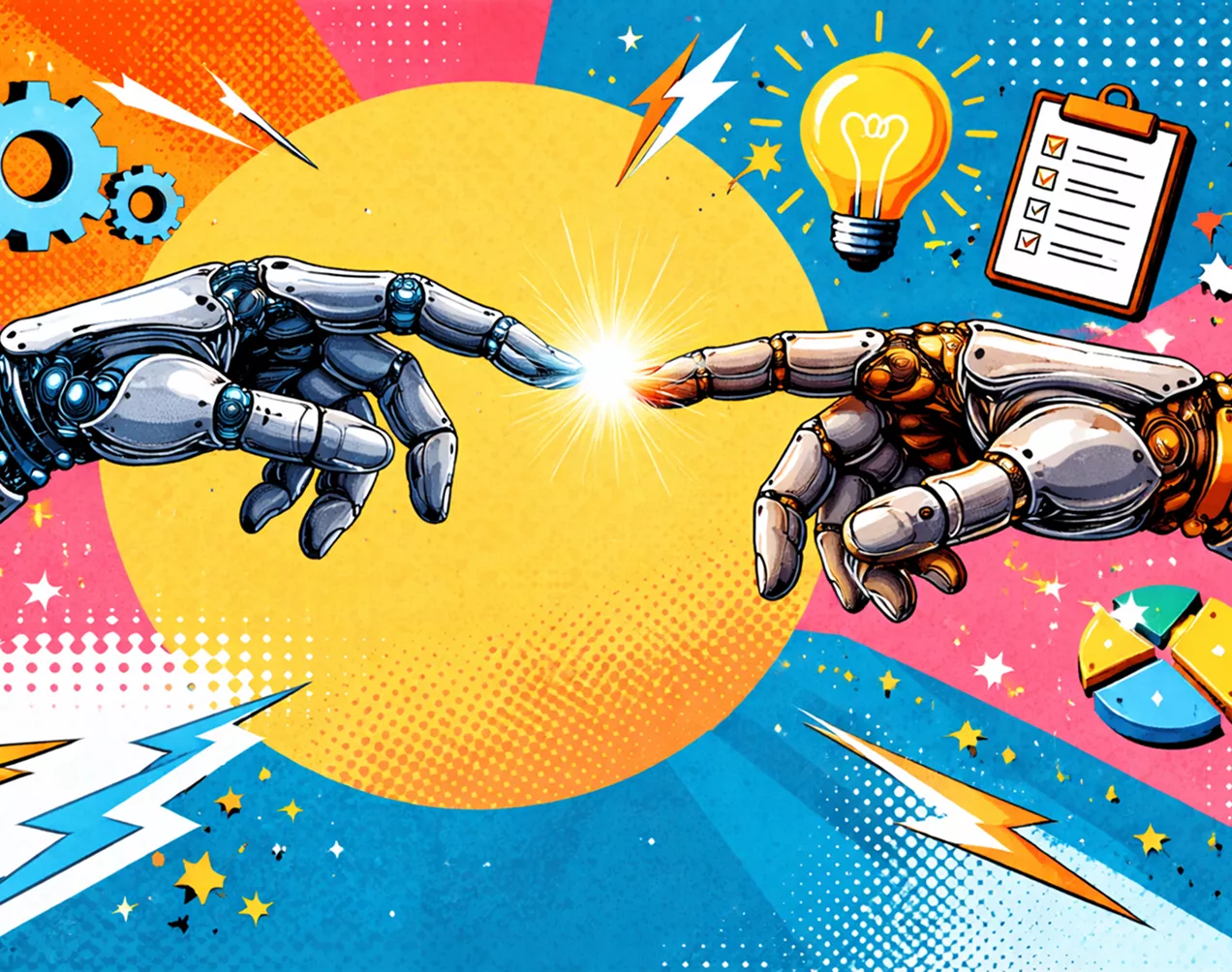
One of the defining characteristics of creative communities is collaboration. Shared studios, co-working spaces, cultural hubs, and online platforms allow creators to connect and exchange ideas. Instead of working in isolation, artists and innovators often develop projects together, blending different disciplines such as art, technology, fashion, and media. This collaborative environment encourages experimentation and pushes creative boundaries, allowing new ideas to emerge more rapidly than ever before.
Influence on Modern Lifestyle Trends
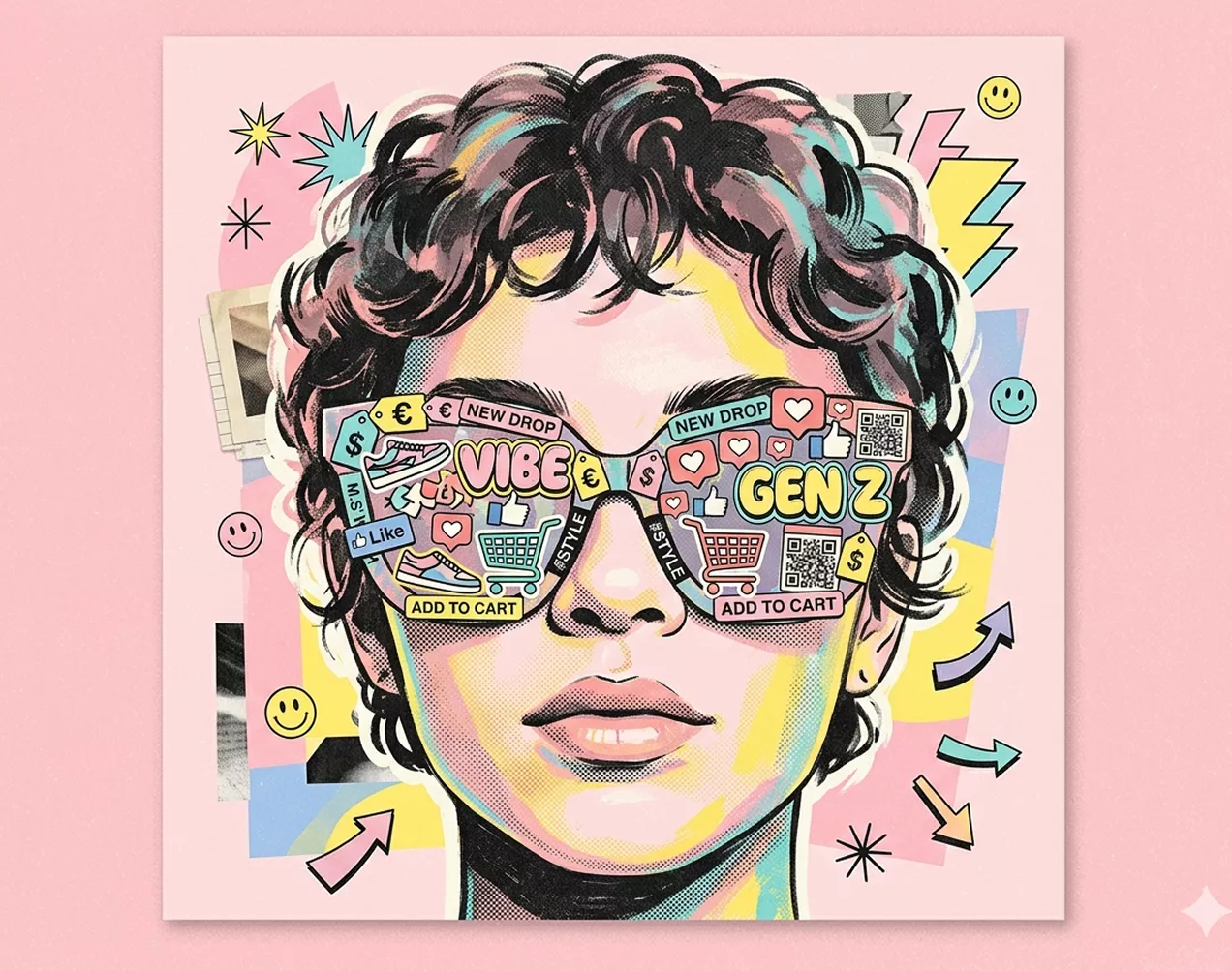
Creative communities often become the birthplace of lifestyle movements. Independent fashion labels, street culture, digital art, sustainable design, and niche music genres frequently originate within these communities before spreading to wider audiences. Through social media and digital platforms, creative ideas can quickly gain global attention, shaping how people dress, decorate their homes, consume media, and express their identities. Creative communities are also changing traditional ideas about careers. Many creatives work in flexible ecosystems that combine freelancing, collaborations, and personal brand building. Instead of following a single professional path, individuals often explore multiple creative roles simultaneously. This shift reflects a broader cultural transformation where passion, creativity, and purpose are becoming just as important as financial stability.
Cultural Impact and Social Connection
Perhaps the most powerful role of creative communities is their ability to connect people. Through art, storytelling, design, and cultural expression, they create spaces where individuals from diverse backgrounds can share experiences and perspectives. Creative communities often lead conversations about social change, identity, and cultural representation, helping societies evolve and become more inclusive.
Conclusion
Creative communities are shaping the future of modern lifestyle in profound ways. By encouraging collaboration, influencing trends, redefining work, and transforming spaces, they are becoming key drivers of cultural innovation. As the world becomes increasingly interconnected, these communities will continue to inspire new ideas and redefine how people live, create, and connect.